Socializing Your Rescue Dog Without the Financial Guesswork
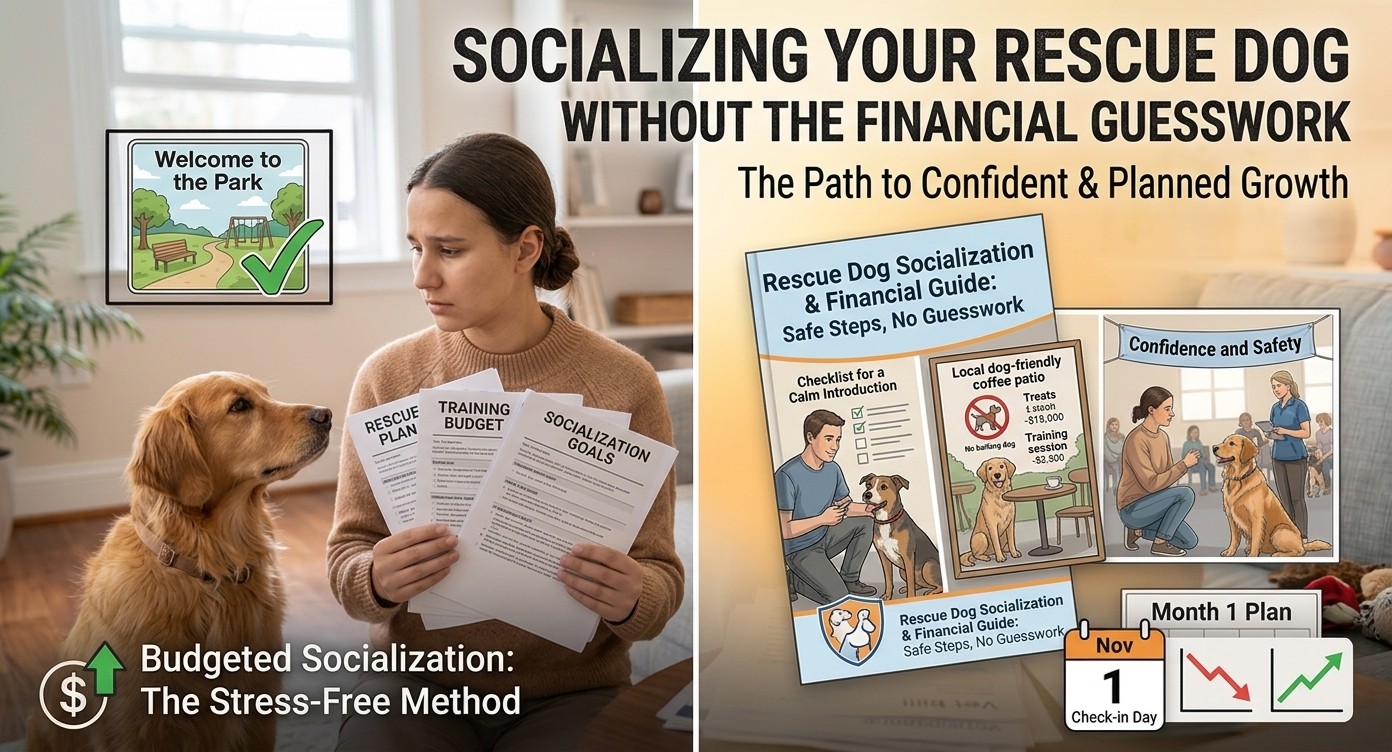
Category: Pet Insurance
Trupanion's own guidance on socializing a dog the right way is solid: go slow, avoid flooding your dog with too much too fast, and let your dog set the pace rather than forcing exposure on a timeline that suits you. But socialization done wrong has real costs, not just setbacks in trust. A poorly managed dog park introduction can end in a bite, sometimes to another dog, sometimes to a person trying to intervene. An overwhelmed dog exposed to too many new people too quickly might have a fear based reaction severe enough to need a vet visit or a sedative, and sometimes a referral to a behaviorist. Behavior therapy isn't included in Trupanion's base Tru Core plan, but it is available through the optional Recovery and Complementary Care Rider.
This is where LeashAgain's structured approach helps, it slows the process down intentionally, breaking socialization into stages instead of leaving you to improvise based on generic advice. But even with the best plan, dogs are unpredictable, especially in the first few months in a new home when you're still learning their history and their triggers together.
Insurance doesn't replace good training, it's the safety net underneath it. If a socialization attempt goes sideways, whether that's a scuffle at the dog park or an anxious dog who bolts and gets hurt, the last thing you want is a financial decision standing between your dog and the care they need. Trupanion covers accidents, emergency care, and diagnostic testing for your dog, with no network restrictions, so you can go to any licensed vet the moment something happens, not just the one that fits your budget.
If you're in the early socialization window with a new rescue, this is exactly the moment insurance matters most, before anything has happened, not after. Pair it with a structured plan from LeashAgain so you're not guessing on either front.
